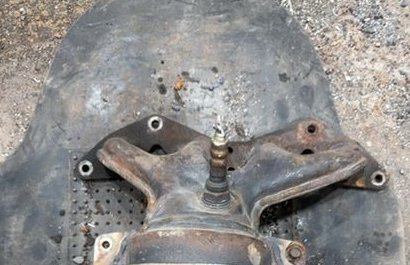
If a Surrey repair shop hands you back two catalytic converters from your vehicle, take one photo of both before you put them away. Set a slip of paper marked A beside one and B beside the other. You'll have a record of exactly what you received and a useful first photo for a sale. You can request a direct quote from SMASH for both converters with that picture, the vehicle make if you know it and the postal code where you're keeping the parts.
We buy catalytic converters directly. If the pieces are still joined together when you get them back, leave them that way. A photo showing the original layout tells us more than two pictures of pieces that have since been separated. Here's how to describe either situation, what paperwork to keep in Surrey and what to check when you receive an offer.
What did the shop give you back?
Lay the cool parts on a stable surface with room to see both ends. When there are two loose units in front of you, describe them as two separate pieces from the same vehicle. If there is one connected length of exhaust with two bulges, describe it as one assembly and show the connecting pipe. You can give us an accurate picture of what you have even if you couldn't name every part in it.
The repair invoice might say that both sides of the exhaust were replaced. That's helpful background. It doesn't necessarily tell you which loose piece came from which side once the two are on your garage floor. If your mechanic identified the sides when handing them over, keep those labels with the pieces. Otherwise A and B work fine. If the invoice lists part numbers for the replacements, take care to distinguish those from anything you can actually read on the old parts.
Two converters from one vehicle can look similar in an overview and look quite different up close. One might have a longer neck or a wider shell. Their markings and condition can differ too. That's why doubling a price you saw for one loose converter won't tell you what we'll offer for the two you have. Show us both so we can review the actual material.
Take photos you can match to the right converter
Start with the overall shot. Lay the two pieces side by side with the A and B cards in view. Leave enough space between them to see where each one begins and ends. For a joined assembly, take a single picture from far enough back to include its full length. Keep that first image with the individual photos, even if the smaller shots make the stamped lettering easier to read.
Next, photograph A on its own, then photograph any visible stamp on A before you move on to B. Include the identifying card in a corner if there's room. Take a second picture at an angle if glare hides the stamp. If there's a dent, an open seam or a missing section of pipe, show it in its own image. Use the condition you can see. You don't need to open a shell to find out what's inside.
Make the same record for B. A short note might read, “A has the longer pipe and a readable stamp. B has a dent near the outlet and I can't read its stamp. The shop returned both after the same repair.” If you can read only the last three characters of a marking, say that. An honest partial reading and a clear close-up let us judge what is visible without treating a guess as a part number.
If the form takes one main photo, choose the overview and keep the close-ups ready to send when requested. Enter the actual postal code of the parts. For example, if you live in Guildford but the converters are still at the shop in Newton, tell us where they will ship from once you've collected them. Add contact details where we can reach you if we need a closer look at A or B.
What Surrey's bylaw says about a private owner's converter
Surrey has a specific rule for scrap metal dealers operating in the city. Under section 6.1(c.1) of its bylaw, when a Surrey dealer purchases a detached catalytic converter from a private vehicle owner, the converter must be etched with the VIN of the vehicle it came from. The seller must be that vehicle's registered owner at the time of the transaction, as shown by ICBC documents. A manufacturer's part number on the shell and the originating vehicle's VIN serve different purposes. The city sets out the details in its Scrap Metal By-law No. 16655.
Keep the invoice from the repair and any vehicle records that connect you to the work. A useful first message is as simple as saying that you own the vehicle, which shop returned the converters and whether you still have its invoice. Ask us which ownership information we need for your proposed sale before sharing private documents or arranging a shipment. Give us the details as they stand, including whether you can see an existing VIN marking.
British Columbia also explains the origin and ownership information its regulated metal dealers record for purchases. The province's guide to metal-purchase records helps explain why a buyer asks where the parts came from. Keep identifying documents out of your initial overview photo. We can explain what is needed for your particular transaction after we have reviewed your enquiry.
Check exactly which parts the offer covers
When a quote arrives, keep the overview photo beside it. Can you tell whether the proposed amount covers the two separate converters together? If only A is identified by a part number, ask whether B was included before accepting. For a joined assembly, check that the offer describes the assembly pictured. You should also know what shipping arrangement goes with that amount and how long you have to accept the offer. Our Canadian converter FAQ explains more about the process.
Tell us if anything has changed since you took the photo. For example, if you've collected A but the shop is still holding B, a quote based on both parts doesn't describe the parcel you could send today. Contact us with the reference from your offer and explain which piece you have. Wait until we've confirmed the next step before packing or sending anything.
Send the parts after you accept the offer
Once you've accepted and received confirmed shipping instructions, match the pieces in front of you to your saved overview. Follow the packing instructions and use the prepaid Canada Post label provided for the shipment. If a joined assembly won't fit the agreed package, ask us how to proceed while it's still intact. You can check your Surrey outlet's current hours using Canada Post's outlet finder.
Keep the tracking receipt with the A and B photos and your accepted offer. When the shipment arrives, we inspect what we received against the submission. Payment follows inspection under the agreed terms by Interac e-Transfer. Throughout the sale, your buyer is SMASH Recycling.
To start from Surrey, put both loose units in the same picture or show the full assembly if the pieces are still joined. Have the vehicle make and the parts' postal code handy, then send your overview photo to SMASH for a direct converter quote.