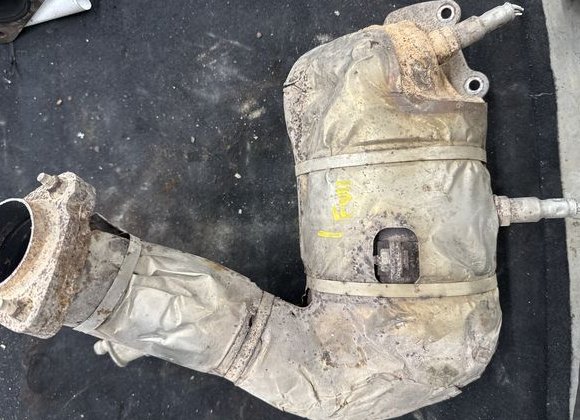
Foil vs. Bead Catalytic Converters: What's Inside Yours — and What's It Worth?
Most scrap yards treat all catalytic converters the same. They don't. The difference between a foil-style cat and a bead-style cat can mean a significant gap in what you walk away with — and if you don't know which one you're holding, you're negotiating blind. With the platinum price today remaining a key driver of converter value, understanding what's inside your cats isn't optional. It's how you stop leaving money on the table.
This isn't just for professional dismantlers in Longueuil or large recycling operations across Quebec. If you're selling even a small lot of scrap converters, knowing your substrate type changes the conversation with every buyer you talk to.
What Is a Foil-Style Catalytic Converter?
Foil catalytic converters use a thin, corrugated metallic substrate — typically a stainless steel foil — wound into a honeycomb structure inside the converter housing. This substrate is coated with a washcoat containing platinum group metals (PGMs): platinum, palladium, and rhodium. The foil construction allows for extremely high cell density, which means more surface area for exhaust gases to contact the catalyst.
You'll find foil-style substrates most commonly in:
- European vehicles — BMW, Mercedes-Benz, Volkswagen, Audi
- Some high-performance domestic applications
- Diesel oxidation catalysts (DOCs) in commercial vehicles
- Certain aftermarket performance converters
From the outside, a foil cat often looks similar to a standard ceramic converter. The difference is inside. If you cut one open or tap it, it sounds different — more metallic, less ceramic. Processors often separate foil substrates before smelting because they require a different processing method than ceramic material. That separation matters when you're pricing a load.
Foil cats are generally considered lower in PGM loading per unit compared to many OEM ceramic cats, but this varies widely by vehicle application and manufacturer. Don't assume a European converter equals high value without verification. The substrate type is the starting point, not the final answer.
What Is a Bead-Style Catalytic Converter?
Bead-style catalytic converters use small spherical beads — typically made of alumina or a similar ceramic compound — coated with PGMs and packed into the converter canister. Instead of a structured honeycomb, exhaust gases pass through the spaces between the beads, contacting the catalyst-coated surfaces.
Bead cats were more common in older vehicles, particularly:
- American-made vehicles from the late 1970s through the early 1990s
- Some General Motors applications
- Early Chrysler and Ford platforms
- Certain industrial and off-road equipment converters
If you shake a bead cat, you'll hear the beads rattling inside — that's the giveaway. They tend to be heavier per unit than foil converters of comparable size, simply because the bead fill is denser. Processors typically grade bead material separately, and the PGM content per pound of bead material can be meaningful depending on the original application.
The challenge with bead cats is consistency. Because they were used in older vehicles, you're often dealing with converters that have aged significantly — and age affects how much PGM content survives. High mileage, heat cycling, and contamination all degrade the catalyst coating over time. Always document your lots carefully. Buyers will want to know what they're bidding on before they commit to a number.
How Platinum Price Today Affects What Foil and Bead Cats Are Worth
Here's the truth about converter pricing that most sellers don't fully internalize: the value of your cats moves with the spot prices of platinum, palladium, and rhodium — every single day. The platinum price today is one input in a larger formula that includes palladium and rhodium spot, the specific PGM loading of the converter, the processing yield, and the refiner's margin. That formula changes constantly.
For foil-style cats, the pricing conversation centers on the metallic substrate content and the PGM loading of that specific unit. Foil material is processed differently — often separately smelted — which affects what processors are willing to pay. If you're selling foil cats alongside ceramic material in a mixed load, make sure your buyer is grading them separately. Blending them into a generic lot often means your foil material gets undervalued.
Bead-style cats carry their own complexity. The PGM loading in older bead material can vary significantly depending on the original OEM spec. Some bead cats from certain GM platforms carry respectable platinum content. Others, particularly high-mileage units, have been substantially depleted. This is why documentation and honest representation of your inventory matters — and why platforms like SMASH, which support photo documentation and serial tracking for converter lots, give buyers the confidence to bid competitively rather than build in a large uncertainty discount.
A quick note on rhodium: while platinum and palladium are important, rhodium has historically been the most volatile of the three PGMs. Its price swings can significantly affect converter values in either direction. If you're selling a larger lot of cats, pay attention to all three spot prices — not just platinum. You can find the best scrap cat prices in Canada more reliably when you understand what's driving the number your buyer is quoting.
How to Identify and Sort Your Lot Before Selling
Sorting matters before you approach any buyer or auction. Showing up with an unsorted mixed load of foil, bead, and ceramic cats in a single pile tells every experienced buyer that you don't know what you have — and they'll price accordingly. Doing a little homework upfront puts you in a stronger position.
Here's a practical sorting approach:
- Separate by substrate type. Foil (metallic), bead (rattle test), and ceramic (standard honeycomb) should be in separate groups before any pricing conversation starts.
- Document the units. Use photos and, where possible, VIN lookups or serial number tracking to identify the vehicle application. Buyers pay more for identified inventory than mystery lots.
- Note condition. Cracked substrates, burnt-out cores, or heavily contaminated units affect value. Don't hide them — disclose them. Vetted buyers will inspect anyway, and surprises kill deals.
- Weigh your lot by category. Foil and bead cats are typically priced by weight of their respective material, not as a flat per-unit number. Know your weights before you negotiate.
- Know your volume. Whether you have 5 units or 500, understanding your total lot composition helps you approach the right buyer for your volume.
If you're operating a dismantling operation in Longueuil or anywhere across Quebec, building this process into your workflow isn't extra work — it's how you stop underpricing your own inventory. The buyer who gets an organized, documented lot will almost always pay more than one who has to figure out what they're buying at your expense.
Why a Catalytic Converter Auction Gets You Closer to True Market Value
One phone call to one buyer is not a pricing strategy. It's a guess. When you sell to a single buyer without competition, you're accepting whatever that buyer decides your cats are worth on that day — and you have no way of knowing if that number reflects the actual market.
A catalytic converter auction format changes that dynamic. When multiple vetted buyers compete on your lot, the bid reflects what the market actually thinks your inventory is worth based on current PGM spot prices, substrate type, and lot quality. That's price discovery — not a number one buyer pulled out of the air.
This is exactly what SMASH was built for. Sellers list their converter lots — foil, bead, ceramic, or mixed — with photos, weights, and documentation. Vetted buyers across North America bid competitively. The seller sees real bids from real buyers and accepts or walks away. No subscription fees. No guessing. If you're a catalytic converter buyer Longueuil or a seller looking to get a fair price for your scrap catalytic converters in Canada, the auction model is the most transparent way to connect supply with demand.
For sellers in Quebec specifically, this matters. Longueuil yards and dismantlers often compete in a relatively concentrated local market. Opening your lot to buyers beyond your immediate geography — while still working through a structured, documented process — can meaningfully affect your outcome. Get competitive bids for your scrap in Canada without being limited to whoever answers the phone in your area code.
Selling Foil and Bead Cats: Practical Tips for Getting Paid What They're Worth
Whether you're a first-time seller or a high-volume recycler in Quebec, a few habits separate sellers who get good prices from those who consistently underperform:
- Check PGM spot prices before any conversation. The platinum price today, palladium, and rhodium are all publicly available. Walk into any buyer conversation knowing where markets are sitting.
- Never sell foil and ceramic cats in an ungraded mixed lot. Foil material processed separately often returns different value. Make sure your buyer is pricing them correctly.
- Get multiple offers. Whether through an auction platform or calling several catalytic converter buyers Quebec-wide, competition protects you.
- Document everything. Photos, weights, and vehicle application data all reduce buyer uncertainty — and uncertainty is what gets priced out of your offer.
- Don't rush a sale when markets are moving. PGM prices fluctuate daily. If you have the storage capacity, watching the market for even a few days can affect your outcome.
If you're looking for more resources on this topic, read Canadian scrap catalytic converter guides to stay current on pricing trends, substrate types, and best practices for selling converters across Canada.
The bottom line: foil and bead cats are not mystery material. They have real value tied to real PGM content and real spot prices. Treat them that way. Sort them, document them, and get more than one buyer looking at your lot. Platforms like SMASH make that process structured and transparent — which is exactly what sellers who've been burned by single-buyer guesswork need.
When you're ready to stop guessing and start selling with confidence, get a fair price for your scrap catalytic converters in Canada through a process that puts competition on your side.
Disclaimer: Catalytic converter scrap prices fluctuate daily based on platinum, palladium, and rhodium spot markets. Always check current rates before listing or selling your inventory. The information in this article reflects general market conditions as of September 2026 and is not a guarantee of specific pricing.
Frequently Asked Questions
Q: How does the platinum price today affect what I get for my scrap foil or bead catalytic converter?
The platinum price is one of three key PGM spot prices — along with palladium and rhodium — that directly influence what buyers will pay for your converter. Foil and bead cats contain varying amounts of these metals depending on the vehicle application and age. When platinum or rhodium spot prices rise, buyers can offer more; when they drop, offers follow. Checking current spot prices before you sell puts you in a much stronger negotiating position.
Q: Where can I find a catalytic converter buyer in Longueuil, Quebec?
Local scrap yards and dismantlers in Longueuil do buy converters, but limiting yourself to local buyers means limiting your price discovery. Using a platform that connects you to vetted catalytic converter buyers across Quebec and beyond — like SMASH — means your lot is competing for attention from more buyers, which typically leads to more accurate and competitive offers.
Q: Are bead-style catalytic converters worth more or less than ceramic honeycomb cats?
It depends on the specific unit. Bead cats from certain older GM and Chrysler platforms can carry meaningful platinum content, but high-mileage or heavily degraded units may have lost much of their original PGM loading. The only way to know accurately is through assay — or by working with a buyer who specializes in older catalyst material and can grade your specific lot rather than giving you a flat per-unit price.
Q: What is the difference between a foil catalytic converter and a ceramic one?
A foil converter uses a metallic (stainless steel) substrate wound into a honeycomb structure, while a ceramic converter uses an extruded ceramic honeycomb. Both are coated with PGMs, but they require different processing methods at the refiner level. Foil material is often smelted separately, which is why sorting your lot before selling — rather than mixing substrate types — helps ensure each type is priced correctly.
Q: Is a catalytic converter auction a better way to sell than calling a single scrap yard near me?
For most sellers, yes — especially for larger or more valuable lots. A single scrap yard gives you one price with no competitive pressure. A catalytic converter auction puts your lot in front of multiple vetted buyers who have to compete for it. More competition means the price is set by the market rather than by one buyer's margin target. This is particularly valuable when PGM prices are moving quickly and one buyer's offer may lag behind actual market conditions.
Stay current on scrap metal markets and converter pricing — follow SMASH on LinkedIn at linkedin.com/company/scrap-metal-auction-sales-hub for industry updates, market insights, and practical selling tips.