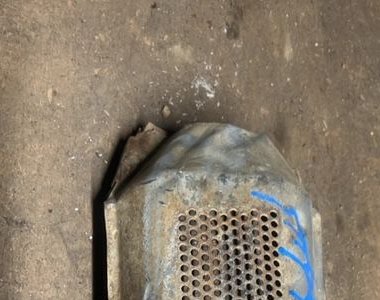
What's Actually Inside Your Catalytic Converter — and Why It's Worth Real Money
Most people hauling a scrap cat to a recycler have no idea what's inside it. They know it's worth something. They just don't know why — or how to make sure they're getting a fair cut of that value. If you're in Brandon or anywhere across Manitoba trying to figure out your catalytic converter scrap value, start here: the price is driven almost entirely by three precious metals locked inside that ceramic honeycomb.
This isn't a general chemistry lesson. This is a practical breakdown of what those metals are, what drives their prices, and how to use that knowledge to stop leaving money on the table when you sell.
The Three Precious Metals That Drive Catalytic Converter Scrap Value
Catalytic converters contain platinum group metals — specifically platinum (Pt), palladium (Pd), and rhodium (Rh). These are the same materials that make your converter do its job: converting toxic exhaust gases into less harmful emissions. The chemical reactions those metals enable require them to be present in small but measurable quantities, which is exactly what makes spent converters worth recycling.
Here's a plain-language breakdown of each metal and why it matters at the scrap yard:
- Platinum: The most widely recognized of the three. Found in diesel converters especially, though it appears across a wide range of vehicle types. Platinum prices fluctuate based on industrial demand, mining output from South Africa, and investment activity.
- Palladium: Predominantly found in gasoline-engine converters. Palladium has seen dramatic price swings over the past decade — at times commanding higher spot prices than platinum. If you're checking the palladium price today before you sell, you're thinking like a buyer. That awareness helps you negotiate.
- Rhodium: The rarest of the three and often the most valuable on a per-gram basis. Even tiny quantities of rhodium in a converter can significantly affect its scrap value. Rhodium supply is extremely limited, which makes it highly volatile.
The actual loading of these metals in any given converter depends on the manufacturer, the vehicle model, the engine type, and the emissions standards the vehicle was built to meet. A converter from a late-model pickup truck will look very different from one pulled off a small sedan from fifteen years ago.
Why Converter Type Matters as Much as Metal Prices
Knowing the spot price of palladium or rhodium is useful — but it's only half the equation. The other half is understanding how much of those metals your specific converter actually contains. And that varies enormously.
Recyclers and buyers who specialize in platinum group metals recycling use a combination of assay data, VIN-based lookups, and historical processing records to estimate metal content. When a buyer quotes you a price, they're working from their database of converter grades and current spot prices. The question is whether you have any visibility into that math — or whether you're just taking their word for it.
A few factors that affect how much PGM content your cat holds:
- Vehicle make and model: Certain manufacturers — particularly luxury and high-performance brands — are known for higher PGM loadings. Trucks and SUVs with larger engines often carry more valuable converters than compact cars.
- Age and emissions standard: Converters built to stricter emissions standards (more recent vehicles) often contain different PGM profiles than older units.
- Converter condition: A converter that's been running hot, flooded, or physically damaged may have reduced metal content due to substrate degradation. Buyers will account for this.
- OEM vs. aftermarket: Original equipment converters typically carry higher PGM content than aftermarket replacements. An aftermarket cat may look identical but quote significantly lower at the yard.
This is why documentation matters. When you get a fair price for your scrap catalytic converters in Canada, having vehicle information, photos, and serial numbers already organized puts you in a much stronger negotiating position.
How Spot Prices Translate to What You Actually Get Paid
The spot price for platinum, palladium, and rhodium is set on global commodity markets. It changes daily — sometimes dramatically. But the number that hits your pocket is never the spot price. It's a function of:
- Estimated PGM content (how many grams of each metal your converter likely contains)
- Current spot prices for each of those metals
- Buyer margin (the cut the buyer takes to cover processing, smelting, refining, and logistics)
- Market demand (how eager buyers currently are to acquire inventory)
That last point is where competition becomes your best friend. When only one buyer knows what your converter is worth and you don't, they have every incentive to lowball you. When multiple buyers compete for your load, the pricing gets honest fast.
This is the core problem that platforms like smashrecycling.ca are built to solve. Instead of one phone call to one buyer who gives you one number, you get competitive bids from vetted buyers across North America. The market sets your price. Not one buyer's margin target.
Selling Catalytic Converters in Brandon and Manitoba: What the Local Market Looks Like
If you're based in Brandon, you already know the local buyer landscape is thinner than what you'd find in a major metro. That's not a complaint — it's just geography. Manitoba has strong automotive and agricultural equipment sectors, which means there's no shortage of scrap cats moving through the province. But fewer buyers in your immediate area means less natural competition for your material.
This is exactly the situation where going online changes your outcome. When you sell catalytic converters online, your load isn't limited to whoever happens to be operating within driving distance of Brandon. You're putting your inventory in front of buyers who specialize in cats, who process high volumes, and who have the purchasing power to move fast.
For sellers in Brandon and across Manitoba looking for catalytic converter buyers near me, the honest answer is that "near me" matters a lot less than it used to. What matters is whether the buyer is vetted, whether the pricing is transparent, and whether you actually know what you're selling before you accept an offer.
Want to go deeper on how the process works? Read Canadian scrap catalytic converter guides covering everything from identifying high-value converters to understanding how buyers grade your material.
How to Get a Better Price for Your Scrap Catalytic Converters
You don't need to become a commodity trader to get a fair price. You need to do a few things consistently that most sellers skip:
- Know what you have before you sell. Use VIN lookups and serial numbers where available. Photo documentation of your converters helps buyers price accurately — and confidence in the grade means stronger bids.
- Understand current metal prices. Check the palladium price today and platinum spot before you go to market. If rhodium is having a strong week, that changes the conversation on high-value units.
- Don't sell to the first buyer who calls back. One offer isn't a market. Multiple offers are. If you're only getting one quote, you're not price-discovering — you're just accepting.
- Sell in volume where you can. Buyers prefer volume. If you're a yard in Brandon sitting on a mixed load of cats, grouping them into a well-documented auction lot is more attractive than selling one at a time.
- Use a platform that brings buyers to you. SMASH creates competitive auction conditions where vetted buyers bid on your inventory. No subscription. No guessing. The competition does the work.
SMASH also handles the documentation side — photo uploads, serial tracking, and inventory tools that give buyers the confidence to bid higher. More information means more competitive bids. That's not a pitch. That's just how buyers think.
If you want to find the best scrap cat prices in Canada, the starting point is getting your inventory properly documented and in front of more than one buyer at the same time.
Disclaimer: Catalytic converter scrap prices fluctuate daily based on platinum, palladium, and rhodium spot prices. Always check current rates before committing to a sale.
Frequently Asked Questions
Q: What makes some catalytic converters worth more than others?
The precious metal content — platinum, palladium, and rhodium — is the primary driver of catalytic converter scrap value. Converters from larger-engine vehicles, luxury brands, and OEM units typically contain higher PGM loadings than aftermarket replacements or converters from smaller vehicles. Condition also matters, since damaged substrates may have reduced metal content.
Q: How does the palladium price today affect what I get paid for my scrap cats?
Palladium is one of the three platinum group metals inside most gasoline-engine converters. When palladium spot prices rise, the calculated value of palladium-heavy converters rises with it — and buyers adjust their bids accordingly. Checking current spot prices before you sell gives you a benchmark to evaluate the offers you receive.
Q: Can I sell catalytic converters online from Brandon, Manitoba?
Yes. Selling catalytic converters online removes geographic limitations entirely. Platforms like SMASH connect sellers in Brandon and across Manitoba with vetted buyers operating across North America, creating competitive auction conditions that local-only selling can't replicate. You ship your documented load; buyers compete for it.
Q: How do I know if I'm getting a fair catalytic converter scrap value?
Fair value starts with knowing what metal is in your converter and what those metals are worth today. If you're getting a single quote from one buyer with no context on how they arrived at that number, you have no way to evaluate it. Multiple competing bids from vetted buyers give you a real market signal instead of one buyer's margin target.
Q: Are aftermarket catalytic converters worth the same as OEM units at the scrap yard?
No — in most cases, aftermarket converters carry significantly lower PGM content than the original equipment units they replace. A buyer will grade them differently, which means a lower scrap quote. If you're selling a mixed load, it's worth separating OEM and aftermarket units and identifying them clearly in your inventory documentation.
---If you're sitting on scrap cats in Brandon or anywhere across Manitoba and you're not sure what they're actually worth, stop guessing. Get your converters documented, check current metal prices, and get a quote from a platform that puts real buyer competition behind your inventory. The best way to find the best scrap cat prices in Canada is to stop selling to one buyer and start letting buyers compete for your load.
Follow SMASH on LinkedIn for ongoing scrap metal market updates, pricing insights, and industry news: linkedin.com/company/scrap-metal-auction-sales-hub.
```